ARR credits are scarce and expensive, know which ones are worth it
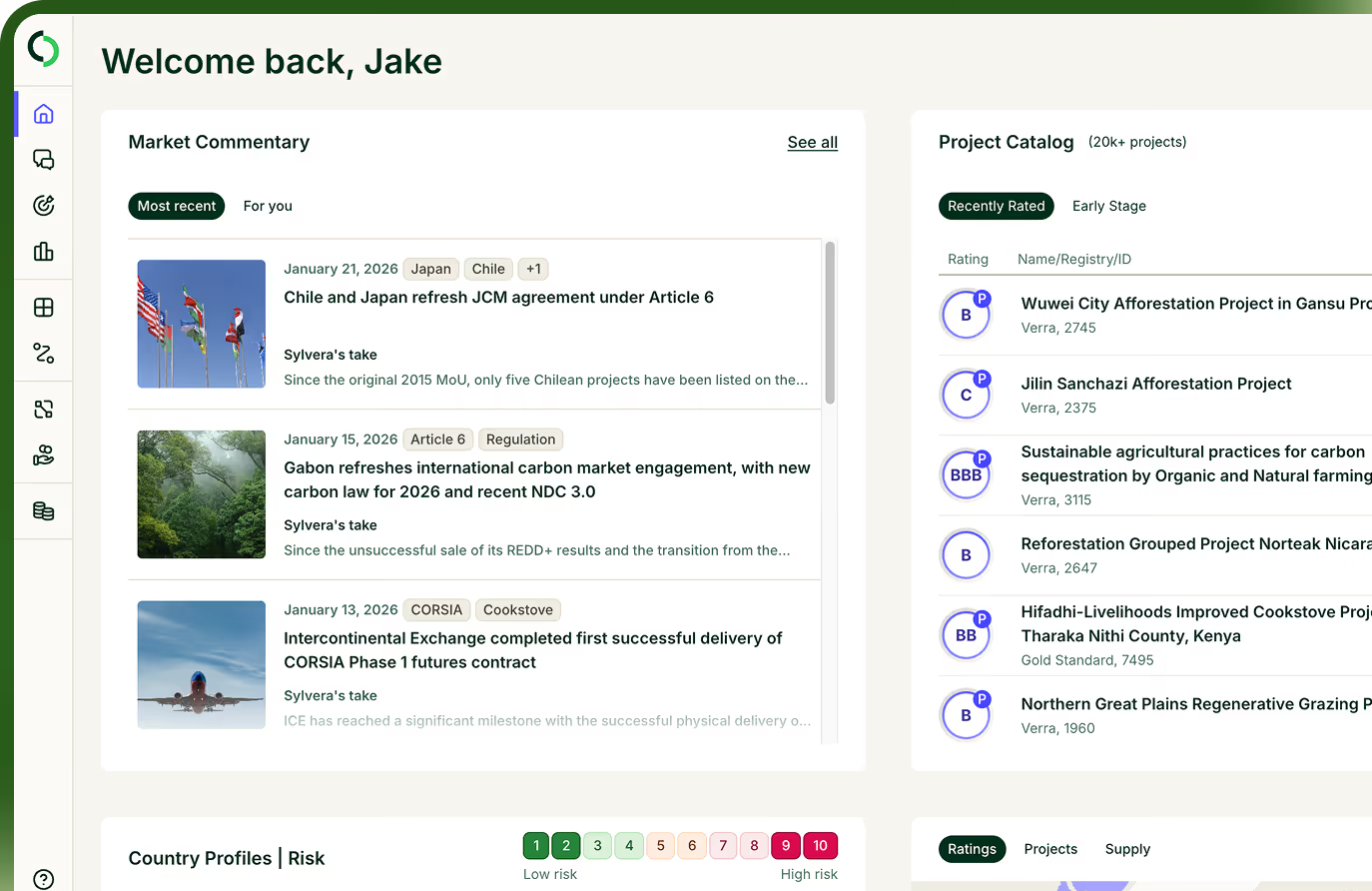
ARR (afforestation, reforestation, and revegetation) carries the largest quality premium in the market. Sylvera’s ratings, built on proprietary biomass data, tell you which credits earn it.


.avif)






The market’s biggest quality premium
ARR commands the highest price premium of any nature-based category: an average of $22 per tCO₂e, with buyers paying roughly $10 more per rating band. No other category rewards quality so directly.
That premium is a signal. When buyers pay materially more for a higher-rated credit, the rating is doing real work — and getting it wrong is expensive. Independent, evidence-based ratings are how you make sure the premium you pay maps to the quality you receive.
Scarce supply is changing how buyers behave
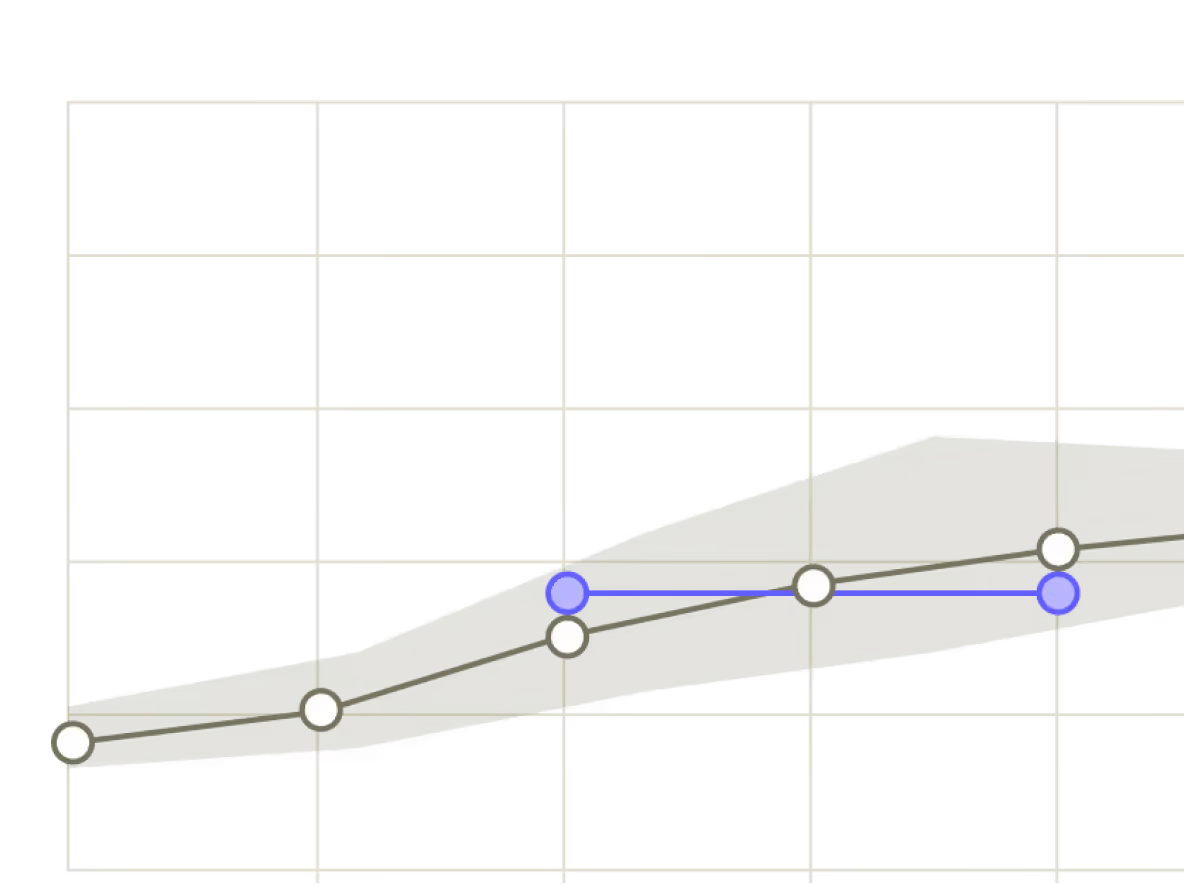
ARR credits are scarce on the spot market. Issuances have stayed flat at roughly 7–8 Mt per year, tracking retirements closely, which pushes serious buyers toward forward procurement rather than waiting for spot availability.
Forward purchasing raises the stakes on diligence: you are committing to projects earlier, often before credits are issued. The quality of your underlying data is what protects those commitments.
Biomass data other raters don’t have
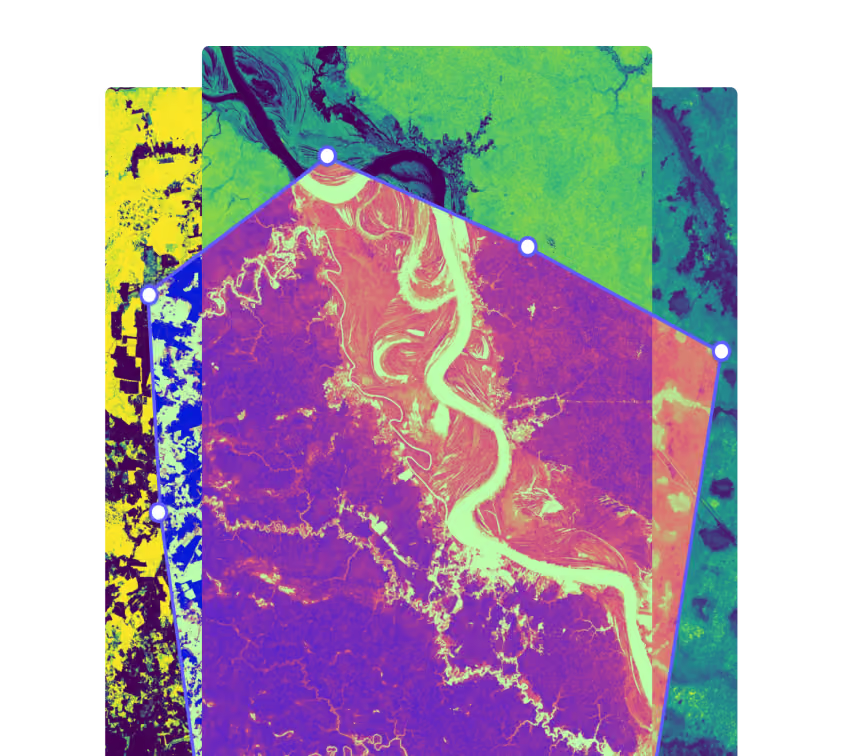
Sylvera holds proprietary biomass data on more than 48 million trees, making it the most credible independent source on ARR quality. That measurement depth is the difference between estimating a project’s carbon and verifying it.

Additionality and durability
Whether the planting is additional and whether the stored carbon is likely to last.
Permanence risk
fire, disease, and reversal exposure that can undo a removal.

Questions buyers ask
ARR stands for afforestation, reforestation, and revegetation — projects that remove carbon by growing new forest cover. Because they remove rather than avoid emissions, they are prized as durable nature-based removals, and they trade at a premium to avoidance credits.
REDD+ avoids emissions by preventing deforestation; ARR removes emissions by growing new trees. Removals like ARR generally command higher prices and higher buyer confidence, but both categories contain projects across the full quality range, so project-level assessment matters either way.
Sylvera rates individual ARR projects on an AAA to D scale rather than scoring the category as a whole. Its ratings draw on proprietary biomass data covering 48M+ trees, so the score reflects measured carbon accumulation, not modeled assumptions alone.
ARR credits average around $22 per tCO₂e — the highest premium of any nature-based category — and buyers pay roughly $10 more for each step up in rating band. Because supply is scarce, prices for the strongest projects can run well above the average.
Evaluate ARR credits with confidence
ARR is where quality and price are most tightly linked, and where scarcity forces earlier, bigger commitments. Sylvera’s biomass-backed ratings help you procure the reforestation credits that justify their premium — and skip the ones that don’t.